1 November 2026 · News
AI in education: events and calls to watch in Europe
An overview of upcoming European events and calls that place AI next to foundational skills, critical thinking and well-being.
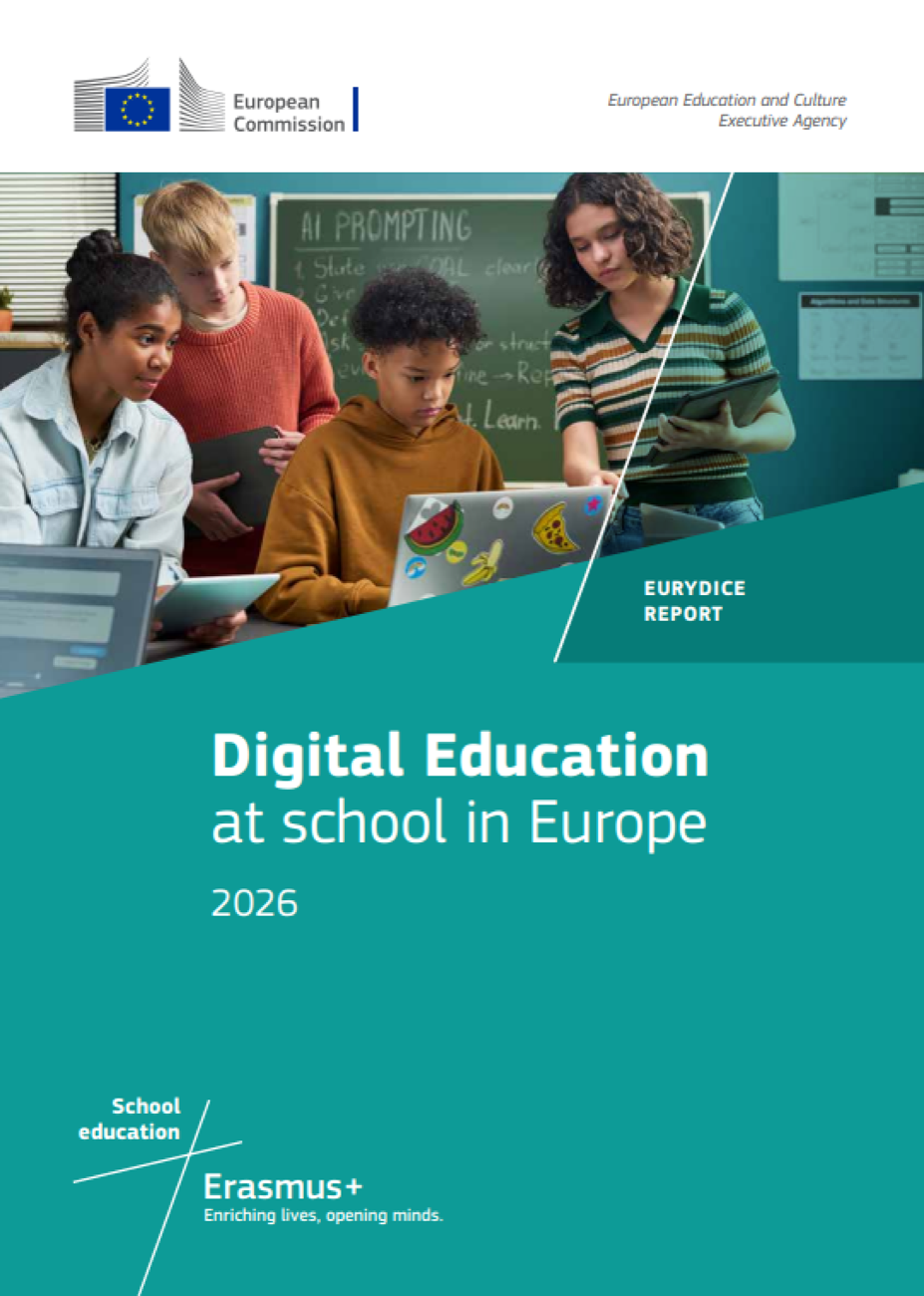
Read the titles of this autumn's education events in Europe and you will see AI placed next to foundational skills, critical thinking and well-being.
On 20 November, the European Education and Skills Summit will focus on the theme "Schools for tomorrow: fit for the era of AI". On 23 November in Turin, the European Training Foundation holds Back to Basics: Building the Foundations for the Future of Skills, which asks how people can learn to think critically when AI is part of everyday life. On 2 December, Cedefop, the EU agency for vocational training, and the European Commission hold an online event on equity, inclusion and well-being, From Risk to Resilience.
Researchers are moving in the same direction. The ESERA 2027 conference on science education has critical thinking and artificial intelligence among its themes. A research workshop in Lisbon in February will look at AI, metacognition and human agency. Journals are also calling for papers, and one open call asks when, how and for whom AI supports learning.
A calendar shows what people want to discuss. It cannot tell us what works in a classroom, and that needs evidence from schools.
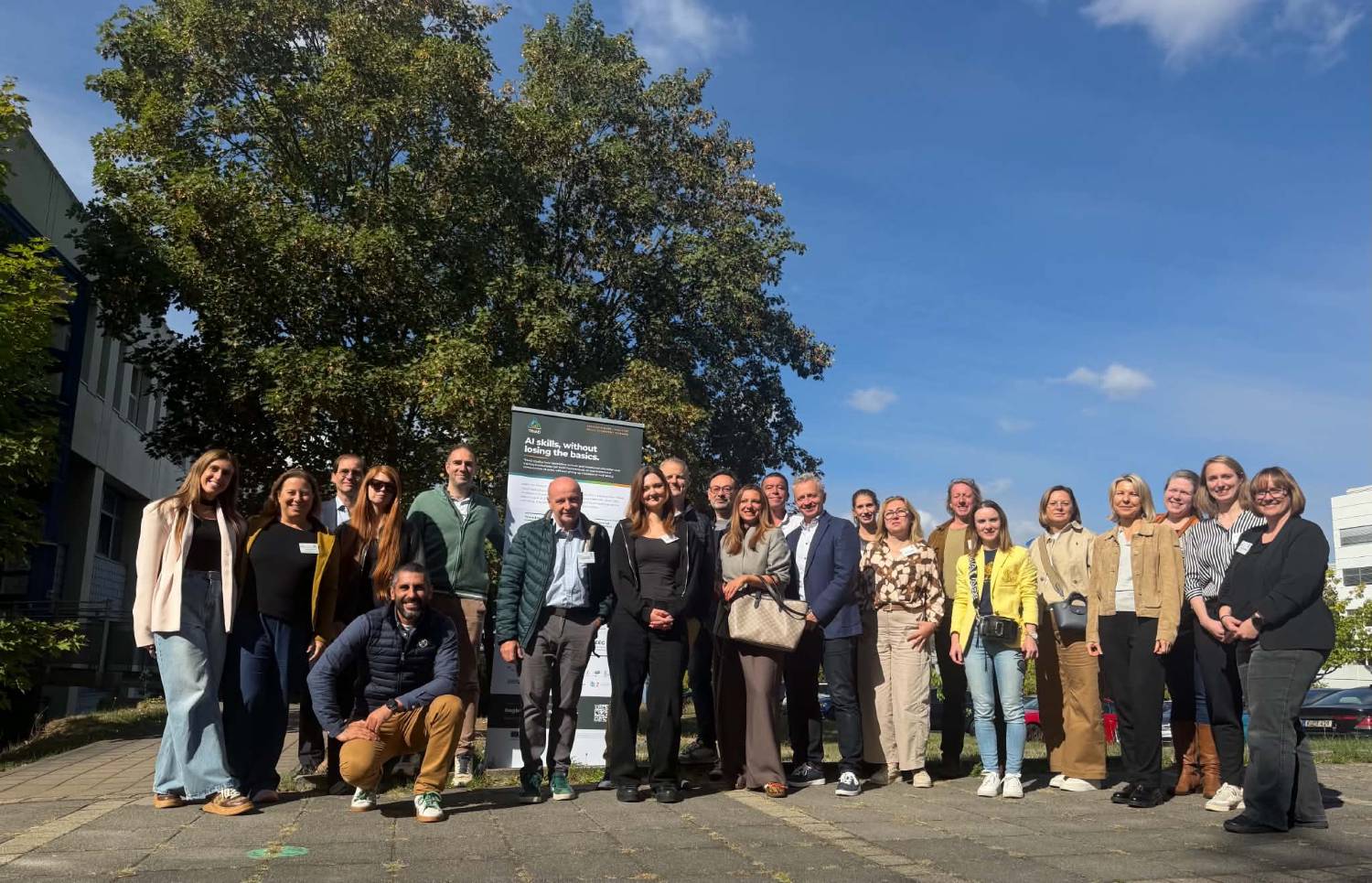
TRIAD, a Horizon Europe project that started in September 2026, studies this question in secondary schools and vocational education and training (VET) institutions. Eleven partners in seven countries will co-design classroom scenarios with teachers and test them with about 1,000 learners aged 12 to 18 in Croatia, Finland, Germany, Greece, Italy and Lithuania. The project will measure what happens to literacy, numeracy and science skills, to AI skills, to skills such as critical thinking and collaboration, and to well-being.
On 27-28 November, TRIAD partner Ellinogermaniki Agogi hosts Inspiring teachers to thrive in the Age of AI in Athens, with speakers from TRIAD partners Hochschule Ruhr West and the University of Jyväskylä.
To follow the project, sign up for the newsletter.